

Writing Real Fiction
If you want to write from the well of your own authentic experience, you need to record that experience as an accessible source of ideas for your writing. If you write down your whole life story, it will take quite a while, but I have a cunning plan!
I have spent years inventing and testing ways to document and organise my life experience as a source of inspiration for my writing. Some of my efforts were time-consuming and unwieldy. I have now settled on the simplest, quickest, most effective method. And I will share it with you right now.
I call it the One Liner Biography or OLB if you like TLAs.
I just know that:
- You will find it fun to create.
- It will be a valuable and easily accessible inspiration.
- It will save you hours when you need to organise your ideas.
What is a One Liner Biography?
You simply make a list of memorable incidents in your life: birth, infancy, childhood, school, college, jobs, achievements, set-backs, significant people, loves, losses, first times, worst times, best times, disappointments, discoveries and revelations.
These incidents do not have to be dramatic. You’ll be surprised that seemingly mundane events can give your story colour and credibility and some will become notable in the unfolding context of your plot.
There’s only one rule: You must write each idea or event in a single line of text, and then move on.
Show me
OK, here’s one I did earlier. It’s an extract from the OLB I used for Rebecca’s Secrets, and will use for the sequel, The Boy Who Loved The Bomb.
Rebecca’s Secrets – One Liner Biography
Here’s a peek at the start of my OLB—the secret source of Rebecca’s Secrets:
BIRTH
- Unwanted GI baby
- London family evacuated, near USAAF base
- Mother: youngest, pretty, naïve
- Claimed she was raped at dance
- She said: “George was the handsomest boy on the base.”
- “He was General Patton’s Grandson.”
- Father flies back to the USA
- Mother chases after him
ABANDONED
- Baby left with aged grandparents
- I called them Mum and Dad, like my uncles did
- Extended family: 9 aunts, 13 cousins
- Saturday nights: Gran’s house filled with laughter, arguments, beer, gin and food
- Aunts mothered me; uncles terrified me
- Grandfather: quiet, strong, kind
- Grandmother: a constant nag
- Cousins: left to play, anarchic chaos
SETBACK
- Diagnosed failure to thrive. [TO RESEARCH…]
- Sent to seaside children’s home in Broadstairs, for 2 to 4(?) years
- Climbed tallest trees, hid at top ’til after dark
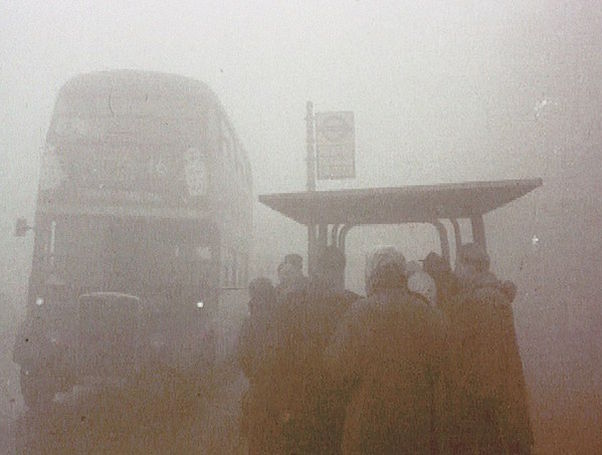
- North Sea Flood. I saw the jetty snapped in two. [1 February 1953]
- Hundreds died
- I’m in deep trouble with Matron —red stain on shirt from rain-soaked jumper
A story in every line
That’s just the start. I’ve added greatly to the list over time.
As you can imagine, there’s a story hidden in every line, so I’m never short of ideas.
What did I learn?
Keep it light:
- Don’t try to do it all at once. You can come back, and add to it when you have a few minutes to spare.
- Best time to create – 3am, so take a notebook to bed.
- Later you can sort it into some kind of order and add sub headings, like HOME and SETBACK to help you sort it later.
- Leave notes like, [ADD MORE…] to remind you to expand the list or [TO RESEARCH…]
- You could add dates and sort it into chronological order.
How to use?
You’ll be able to dip into your OLB when you need to:
- Create an outline plot
- Collate one-line events into scenes or combine them into chapters.
- Tease out the themes of your book for further development.
- Ensure you are being consistent to your timeline.
My promise?
You’ll end up with a resource that’s an extremely valuable companion on your writing adventure.
So, get writing!

 Robert hart
Leave a comment