

Writing Real Fiction
Creative writing has been really important to me, since primary school when I wrote really naff stories that allowed me to escape into my imagination. At secondary school, I developed the art of looking interested through 35 minute lessons (containing 5 minutes of value) and pretending to avidly take notes, while writing stories.
It is not an exaggeration to say that writing has sometimes been a life saver. It helped me through some of the very worst moments of my life. Writing stories has helped me better appreciate and understand people and events, and to explore crazy ideas in depth.
Stephen King’s book On Writing was a real help when I began to write seriously. The master storyteller generously shared what he learned from his years of writing horror stories. His advice was practical and easy to apply. In gratitude, I’d like to pay it forward and offer my help to aspiring writers.
I often meet people who say they want to write a novel, but they don’t know where to start. I’m not Stephen King, but I have been on a steep learning curve for a decade. I am happy to share what I have learned and what I’m still learning. Join me!
Where to start? That’s easy.
Start by writing what no one else in the world knows better than you – no expert, no author, no matter how experienced and celebrated they are. Write stories with credible plots, authentic characters, faithfully observed locations, natural dialogue and emotional depth.
Write your own life!
I am committed to what I call Real Fiction — stories that are based deeply on real human experience. This is something AI cannot yet achieve. (More on that later.)
Write what you have lived through, what hurt or delighted you, what made you laugh, made you cry, the best of times, the worst of times. Write what you have learned.
Start with the real people and places you know intimately. Start with your real experiences. Nobody knows your life better than you do, You are the world’s top expert. No competitor could do the job better than you.
People say, “But my life isn’t interesting.”
I agree. Not all of it will be, but from the personal you can distill the universal. You can select experiences that might resonate with your readers.
If you are writing for your family, you might write a straight autobiography, which they can treasure. There are affordable and effective online services that can help with that.
If you want a wider readership, you’ll find that few readers will pick up an autobiography by someone they have never heard of. But if you create a Real Fiction novel you can:
- Select and adapt your experiences and weave them into a page-turning plot
- Fictionalise the main character to be fascinating, complex, appealing
- Develop real people into credible supporting characters
Base your characters on real people but turn them into the actors in your play. Give them a new name, appearance, costume, voice, script. It’s your story. Do what you like with it.
The Crown on Netflix is a great example of characters and stories taken from real life, but we all know it is fictionalised. Despite the fake shock-horror from the media at its launch, the public greedily lapped up its compelling story telling.
I call what I do, Real Fiction, but readers tend to search for books in their favourite genres. Readers will not find Real Fiction included as a genre to search in your online store or local bookshop. So, without destroying the integrity of your work, you might lean it towards any recognised genre that you enjoy writing, and millions of others are hungry to read:
- Magical Reality
- Fantasy
- Supernatural
- Mystery Thriller
- Steamy Romance
And here’s my secret recipe…
Whatever genre you choose,
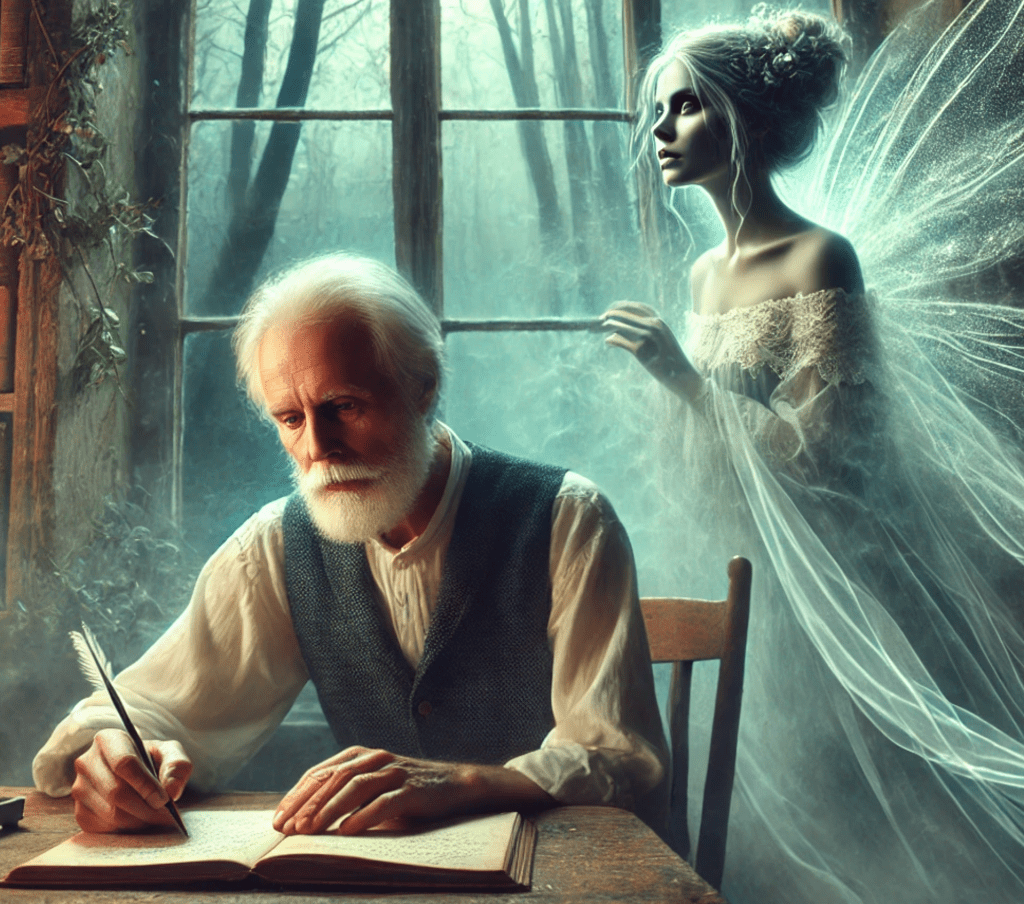
add a touch of magic.
That’s all for now, but I will be diving deeper and sharing how I wrote Rebecca’s Secrets and Twice Born, and what I learned in the process. More to follow!
Bye for now.
Robert
 Robert hart
Leave a comment